by Laurie Christian
Share
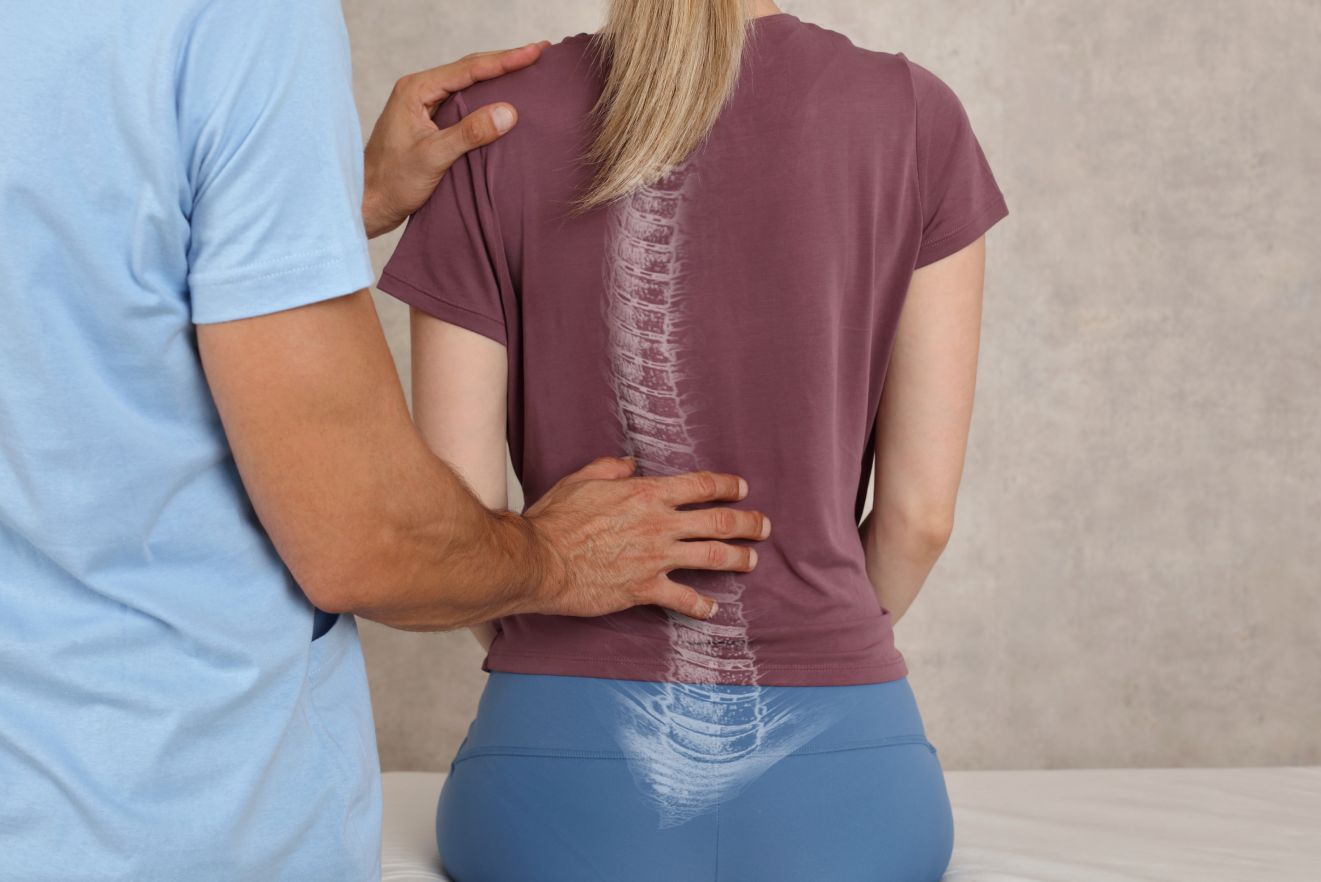
If you’ve ever been diagnosed with scoliosis, continue to suffer from back/neck pain, and were told that nothing could help, please continue reading…
What Is Scoliosis?
Scoliosis is a curvature and rotation of the spine that causes changes to posture and the alignment of the back. A person cannot correct scoliosis by “standing up straight.” On an X-ray, the spine may appear to have an “s” or “c” shape. Scoliosis can occur at any time during the life span, though it is often found during the teenage years. About 2% to 3% of the general population has scoliosis, which can range from mild to severe. The most common type of scoliosis first appears in children ages 10-18. There is no known cause, though around 30% of people with scoliosis have a family history of the condition.
How Does It Feel?
Initially, scoliosis does not usually cause pain. But pain may occur as the abnormal curves of the spine affect the surrounding muscles and joints. These changes may alter body alignment, posture, and movement patterns. This can cause irritation and pain. Muscles that support the spine may become imbalanced and lead to a loss of strength and flexibility. A person with scoliosis may notice:
· Uneven shoulder height
· Uneven hip height
· The appearance of a difference in leg length
· An uneven waistline
· A bony bump on one side of the back
· A general sense that the two sides of the body don’t line up
· Pain in the areas around the spine, including the shoulder, pelvis, and hip
· Pain with specific movements or activity
How Is It Diagnosed?
A school screening is typically how scoliosis is first detected, but often a PT is the first to identify the deformity. It can be confirmed by X-ray. Early detection allows treatment to begin as soon as possible. However, too often corrective treatment isn’t initiated until adulthood after years of compensation have created pain.
How Can a Physical Therapist Help?

Physical therapists are movement experts who improve quality of life through:
· Hands-on care
· Patient education
· Specific corrective movements to counteract the muscle imbalances that occur
. Guidelines established by the Scoliosis Research Society
Because each body and scoliotic curve is unique, we will develop and tailor a treatment plan specific to the type and severity of your scoliosis. The goal of PT is to de-rotate, stabilize, and elongate the spine through individualized exercises. I use a 3D approach to address the issue.
While chiropractic and massage therapy may offer temporary relief, they do nothing to address the underlying cause! Achieving muscular symmetry via hands-on techniques, as well as a home exercise program to de-rotate the spine, using mirrors to develop an awareness of the posture, and empowering the client through education, are key to success. Let’s work together to find lifelong strategies to manage your condition!